Translate Subtitles in Premiere Pro With One Click (Using Cutback's AI Plugin)
Need multilingual captions in Premiere Pro? Learn how to auto-translate subtitles into 29 languages using Premiere Assistant, and apply them as styled or animated captions in one click.
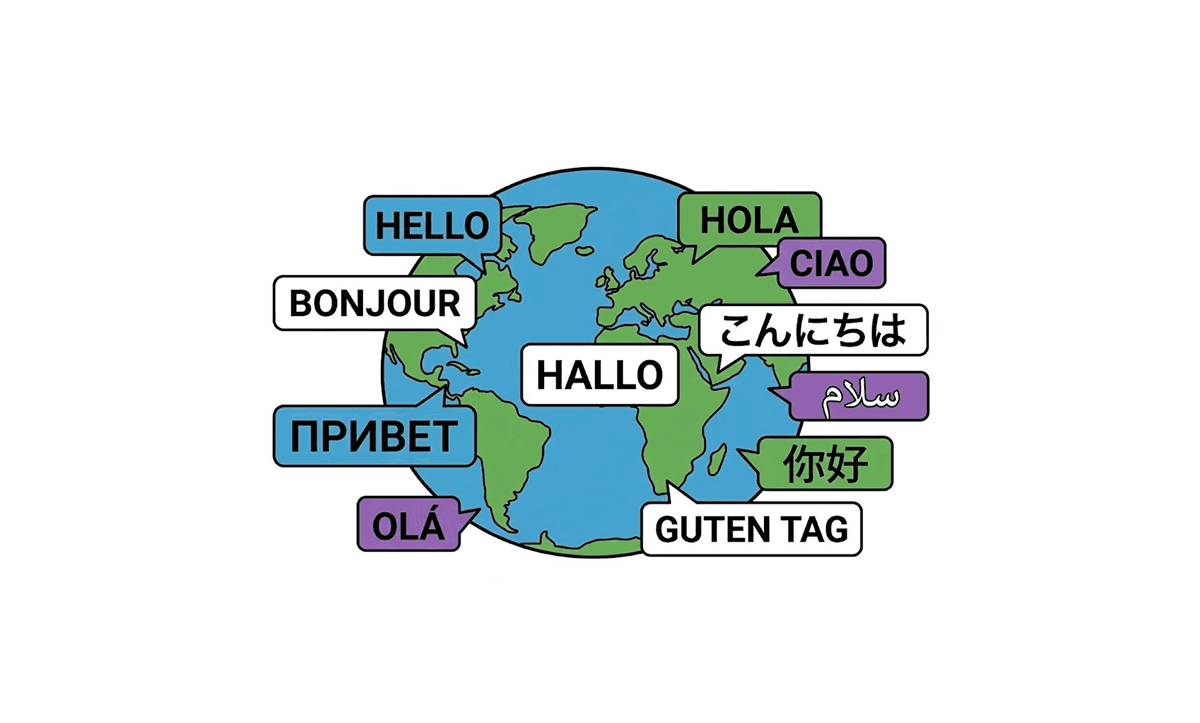
TLDR: Premiere Pro can automatically translate and replace caption tracks using Premiere Assistant's translation feature, supporting multiple languages without requiring a third-party transcription service or manual re-entry.
Reaching an international audience starts with speaking their language, literally. Whether you're making tutorials, marketing videos, podcasts, or YouTube content, multilingual captions are key to building global visibility.
But if you've ever tried translating subtitles in Premiere Pro manually, you know how painful it can be. With a few shortfalls, you might even find yourself depending on Google Translate or Microsoft Translator to consolidate your edits. Between that and exporting SRT files, editing, and syncing translated text, it’s a multi-step nightmare, unless you're using Premiere Assistant.
In this guide, we’ll walk you through how to translate captions into 29+ languages and apply them directly to your Premiere Pro sequence through automatic transcription, no exporting or juggling external tools.
Why Translate Subtitles/Captions At All?
Adding subtitles in multiple languages:
Increases video accessibility
Boosts SEO in international search engines
Helps retention for non-native speakers
Expands your reach to a global audience
With Premiere Assistant, you can instantly translate and apply captions in your timeline, no exporting required. With a built-in translation engine and AI powered by translation models, Premiere Assistant does the linguistic heavy-lifting.
Step-by-Step Caption Translation: How to Translate Subtitles in Premiere Pro with Premiere Assistant
Step 1: Prepare Your Project in Premiere Pro
Open a new or existing Premiere Pro project and load your video and audio files into a sequence.
Premiere Assistant is a native extension, so everything happens inside Premiere. You don’t need to export your video or captions to another tool.
Step 2: Launch Premiere Assistant
Go to Window > Extensions > Cutback.
Once it opens, click on the [Edit Captions] tab.
If you haven’t already generated a transcription, you’ll need to do that first. Premiere Assistant’s AI-powered transcription feature will create accurate captions directly from your audio.
Need help with that step? We’ve got a full tutorial here.
Step 3: Translate Captions in Premiere Pro using Premiere Assistant
Once your base transcription is complete, look to the bottom-right corner of the Premiere Assistant panel and click the [Translate] button.
From here:
Choose your target language from the 29 available options.
Premiere Assistant will automatically generate translated captions based on your original audio.
Translations are powered by AI and optimized for subtitle clarity and timing.
Supported languages include Spanish, French, Korean, Japanese, German, Arabic, Portuguese, Hindi, and many more.
Step 4: Review and Edit the Translation
Even though Premiere Assistant’s translations are highly accurate, it’s still best practice to do a quick review, especially for nuance or brand-specific phrasing.
To edit:
Click directly on any translated line in the editor.
Make corrections or style adjustments as needed.
This flexibility makes Premiere Assistant ideal for both pros and first-timers when it comes to content creation.
Applying Translated Captions to Your Video
Once you're happy with the translation, it’s time to apply it to your video inside the Premiere Pro timeline.
You have two main options depending on your editing style:
Option 1: Use Native Premiere Pro Caption Tracks
To apply translated captions as regular text captions:
Click [Apply to sequence]
Choose:
[Premiere Pro captions]
Enable [Split track for translation]
Premiere Assistant will generate a second caption track for the translated subtitles, keeping your original captions intact. You can then toggle between languages.
⚠️ Note: Premiere Pro only allows one caption track to be active at a time. If the translated track doesn’t show up, try deactivating the original track.
Option 2: Use Animated Captions for Both Languages
If you want to display both original and translated captions at the same time (for example, English on top and Korean underneath), you can use animated captions.
Here’s how:
Click [Apply to sequence]
Select [Animated Captions]
In the settings popup, choose your caption style and under Translation, select [Include]
This option allows you to display dual-language subtitles with motion styling, perfect for creators targeting bilingual audiences or international platforms like YouTube, TikTok, or Reels.
Example Use Case: YouTube Creators Going Global
Let’s say you’re a content creator with a large English-speaking audience but are gaining traction in Spanish-speaking regions.
With Premiere Assistant:
You transcribe your English script.
You translate into Spanish with one click.
You use animated captions to show both languages at once, no extra software or freelancers needed.
It’s that simple.
What Makes Premiere Assistant’s Translation Feature Unique?
Integrated inside Premiere Pro – no more juggling apps or re-importing files
One-click AI translations – auto-detects speaker tone and phrasing
Side-by-side original + translated support – ideal for dual-caption workflows
Supports animated subtitle output - great for modern, stylized content
Editable text fields – make changes before finalizing the output
Troubleshooting Common Issues
I don’t see the translated captions in Premiere Pro.
Premiere only allows one caption track to be visible at a time. Make sure to deactivate the original track if you want to see the translated version.
I'm getting errors when applying subtitles.
If your Premiere version is outdated or you’re using a beta build, some features may not function as expected. Premiere Assistant is optimized for Premiere Pro 2023 and above.
Can I edit both the original and translated captions?
Yes! Each line is independently editable within the Premiere Assistant editor.
Final Thoughts
Multilingual captions aren’t just a nice-to-have; they’re a necessity for global reach. And while the old workflow for subtitle translation used to involve spreadsheets, freelancers, or separate software, Premiere Assistant makes it seamless.
In just a few clicks, you can:
Transcribe your video
Translate captions into 29 languages
Apply them as animated or native Premiere Pro captions
Whether you’re a content creator, video editor, or part of a media team, this is the fastest way to add global polish to your projects, right from the timeline.
Try Premiere Assistant’s translation tools today and unlock your global audience.
For more in-depth knowledge about the ins and outs of video editing, check out our latest posts on the Cutback blog or our YouTube channel.
FAQs (Frequently Asked Questions)
Q: Can Premiere Pro automatically translate subtitles?
A: Premiere Pro's native transcription does not include automatic translation, it transcribes in one language per session and does not convert existing captions to another language. Premiere Assistant adds translation directly inside Premiere Pro: once you have a transcription, click the Translate button in the Edit Captions panel, choose your target language from 29 supported options, and Premiere Assistant generates translated captions aligned to your original timing. The translated captions can be applied as a separate caption track, keeping the original intact, or as dual-language animated captions showing both languages simultaneously.
Q: How do you translate captions in Premiere Pro?
A: Using Premiere Assistant, open the plugin (Window > Extensions > Cutback), click Edit Captions, and generate a transcription of your sequence if you have not already. Once the base transcription is complete, click the Translate button in the bottom-right of the panel, choose your target language, and Premiere Assistant generates translated captions automatically. Click Apply to Sequence and choose either Premiere Pro Captions (creates a second caption track) or Animated Captions with Include Translation enabled for dual-language display with motion styling.
Q: Can Premiere Pro generate subtitles in different languages?
A: Premiere Pro's native Speech to Text supports transcription in 19 languages, meaning it can generate subtitles from audio recorded in those languages, but it does not translate between languages. To generate captions in a language different from the spoken audio, Premiere Assistant's translation feature takes the original transcription and generates translated caption timing into 29 languages including Spanish, French, Korean, Japanese, German, Arabic, Portuguese, and Hindi, directly inside Premiere Pro.
Q: How do you show captions in two languages at once in Premiere Pro?
A: In Premiere Assistant, after translating your captions, click Apply to Sequence, select Animated Captions, and in the settings popup enable Include Translation under the Translation option. This creates dual-language animated captions with both the original language and the translation displayed simultaneously, you can position them on separate lines (original on top, translation below) and apply different styling to each. This approach is used for creators targeting bilingual audiences on YouTube, TikTok, or Reels where both languages add viewer accessibility without separate edits.
Q: How do you change the transcript language in Premiere Pro?
A: In Premiere Pro's native Text panel, you set the language in the Transcribe Sequence dialog before running transcription, click the Language dropdown and select your audio's spoken language. You cannot change the language of an already-generated transcript; you must delete the existing transcript and re-transcribe with the correct language selected. In Premiere Assistant, the language is also set during the transcription configuration step. If you ran transcription in the wrong language, use the Delete Transcript option in the Premiere Assistant panel before re-transcribing with the correct language.
Q: How do you delete a transcript in Premiere Pro?
A: In Premiere Pro's native Text panel, right-click the sequence name in the Transcript tab and select Delete Transcript to clear the existing transcription data. In Premiere Assistant, there is a Delete Transcript option in the Auto Rough Cut panel settings that clears the current session's transcription before running a fresh one. Deleting the transcript does not remove any caption clips already applied to the timeline, those remain as existing graphic clips and must be removed from the timeline separately if needed.
Q: How do you translate a video with subtitles for YouTube and TikTok?
A: Translate your captions inside Premiere Assistant (Edit Captions > Translate > select language > Apply to Sequence), then export your video with captions either burned in as open captions or as an SRT sidecar file. For YouTube, exporting a separate SRT file is recommended, YouTube indexes caption text for search in each language, improving discoverability in non-English markets. For TikTok and Instagram Reels, burned-in animated captions (available through Premiere Assistant's Animated Captions with translation) ensure captions display on all devices regardless of auto-caption settings.

Cutback Team
Share post