Disable Autoplay After Rendering in Premiere Pro (Quick Fix)
Annoyed by Premiere Pro autoplaying after rendering? Learn how to disable automatic playback with a simple timeline preference setting and optimize your workflow.

TLDR: Premiere Pro autoplays after rendering because the "Play After Export" or loop playback setting is enabled — turn it off in the Program Monitor settings or the Export panel, depending on which version of Premiere Pro you're using.
Tired of Premiere Pro automatically playing your timeline every time after you render your sequence? You’re not alone. Many editors find this feature not only annoying but also disruptive as a time-waster in their editing workflow. Fortunately, we’re going to introduce you to a simple way to disable it through your timeline preferences.
How to Stop Autoplay After Rendering in Premiere Pro
The good news is that disabling autoplay in Premiere Pro is straightforward and only takes a few seconds.
Simply follow this step-by-step guide:
1. Open Premiere Pro Preferences
Navigate to the top menu and click [Edit] (Windows) or [Premiere Pro] (Mac).
Select [Preferences], then click on [Timeline].
2. Disable Auto-Playback After Render
In the [Timeline Preferences] window, locate the "Play work area after rendering" setting.
Uncheck this option to stop Premiere Pro from automatically playing your timeline after a render.
3. Click OK and Restart Premiere Pro
Once you've unchecked the option, click [OK] to save your settings.
Restart Premiere Pro to ensure the changes take effect.
Additional Tips for Smoother Editing
Other ways to speed up your editing workflow include the following:
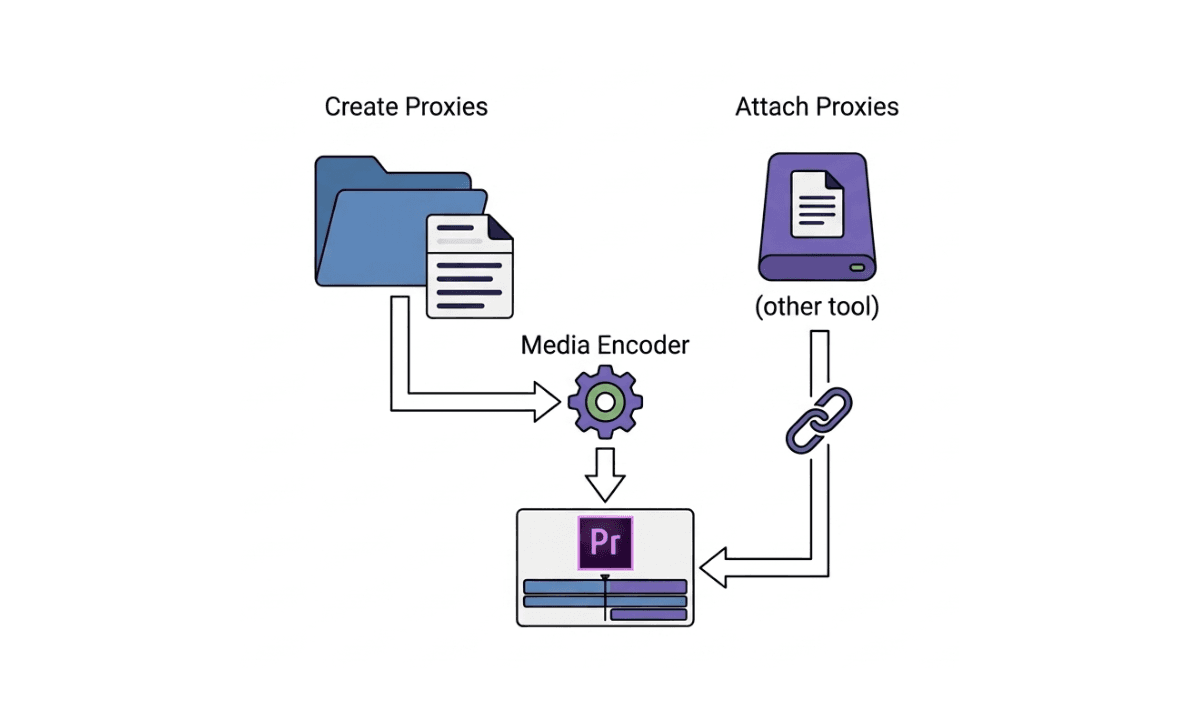
Use Proxies for Faster Editing – If your timeline lags even after rendering, consider using ProRes or DNxHD proxies. You can read more about the best file formats for editing in Premiere Pro on our Cutback blog.
Adjust Playback Resolution – Lowering playback resolution to ½ or ¼ can improve performance.
Optimize Your Cache Settings – Go to Preferences > Media Cache and clear old cache files to free up system resources.
For more tips on how to set up your video editing workflow, check out our full guide.
Take control of your editing workflow and avoid unnecessary interruptions by disabling autoplay after rendering. It’s a simple but effective setting that can help speed up your editing process and improve your efficiency in Premiere Pro.
For more Premiere Pro editing tips and tricks, explore our latest content on the Cutback blog or Cutback’s official YouTube channel.
Frequently Asked Questions (FAQs)
Q: How do I stop Premiere Pro from autoplaying after rendering?
A: Go to Edit (Windows) or Premiere Pro (Mac) > Preferences > Timeline and uncheck "Play work area after rendering previews." Click OK and restart Premiere Pro. This setting tells Premiere to render the timeline silently without jumping into playback when the render completes, so you stay in control of when playback starts.
Q: Why does Premiere Pro automatically play after rendering?
A: Premiere Pro's "Play work area after rendering previews" setting is enabled by default. It is designed for editors who want to immediately review a rendered section. Premiere renders the red-bar segments and then plays from the beginning of the work area automatically. For editors who prefer to stay at their current playhead position and review selectively, this behavior is disruptive. Disabling it in Preferences > Timeline stops the automatic playback without affecting the render itself.
Q: How do I disable autoplay after rendering on a Mac in Premiere Pro?
A: The setting and path are identical on Mac, go to Premiere Pro (top menu) > Preferences > Timeline and uncheck "Play work area after rendering previews." The only difference from Windows is the menu location: on Mac the Preferences menu is under the Premiere Pro application menu rather than Edit. Click OK and restart Premiere Pro to apply.
Q: Does Premiere Pro automatically render when exporting?
A: Premiere Pro does not pre-render your timeline before export, the export process reads and encodes footage directly from your source files, effects, and project settings in a single pass. However, any existing render previews (the green bar on your timeline) can be used during export to speed up encoding if you enable "Use Previews" in the Export Settings dialog. Rendering previews in the timeline (Enter key) and exporting are two separate processes; one does not trigger the other automatically.
Q: What does Ctrl+D do in Premiere Pro?
A: Ctrl+D (Windows) or Cmd+D (Mac) applies the default video transition to the selected edit point in the timeline. If you have no transition selected as the default, Premiere Pro applies a Cross Dissolve. To apply the default audio transition, use Ctrl+Shift+D (Windows) or Cmd+Shift+D (Mac). To change which transition is set as the default, right-click any transition in the Effects panel and select Set as Default Transition. This shortcut is particularly useful for quickly adding consistent transitions across multiple edit points without opening the Effects panel.
Q: Why is Premiere Pro still autoplaying after I changed the preference?
A: If disabling "Play work area after rendering previews" in Preferences > Timeline does not stop the autoplay, check two additional settings. First, confirm you clicked OK rather than cancelling the Preferences dialog, the change only saves if you click OK. Second, check whether Loop Playback is enabled (the loop icon in the Program Monitor), Loop Playback will restart video from the beginning of the work area after it finishes playing, which can appear similar to autoplay after rendering. Disabling both settings and restarting Premiere Pro resolves the issue in most cases.

Kay Sesoko
Marketer
Share post